

In October, an Egyptian court fined journalist Lina Attalah 3 million Egyptian pounds and ordered the closure of the independent outlet she founded. The woman human rights defender, now faces new hearings in November, and the risk of prison. November 2nd marked the International Day to End Impunity for Crimes against Journalists. Her case illustrates too well what happens to those who report the facts
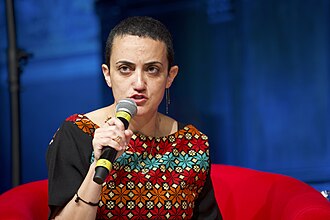
Lina Attalah is an Egyptian journalist and woman human rights defender. In 2013 she co-founded Mada Masr, an independent bilingual news outlet based in Cairo, and she is its editor-in-chief. Her reporting has covered state accountability, migration, conflict and freedom of expression across Egypt and the wider Middle East. She is a prominent advocate for press freedom, and for that work she has faced persistent judicial harassment and intimidation. The case now before the courts is the sixth brought against her and Mada Masr in the last six years.
On 21 October, the Supreme State Security Prosecution questioned Lina Attalah for more than six hours about a Mada Masr report on prison protests and the outlet’s licensing status. She was released on bail and, the next day, referred to trial for operating a website without a licence. On 27 October, the New Cairo Misdemeanour Court convicted her of managing an unlicensed website. It imposed a fine of 3 million Egyptian pounds and ordered Mada Masr’s website to be closed and its equipment confiscated. She was taken into custody in the courthouse and was released only after the fine was paid. She also discovered a 2024 in absentia sentence of one year in prison over a Mada Masr report on Gaza. Her defence denounces serious fair trial violations, which the judiciary disputes.
Two proceedings are open, and her freedom depends on both: The 2024 conviction in absentia and its the retrial has been the 18 November and the appeal against the 27 October ruling. The defence has appealed the fine and the closure order, and the hearing was scheduled for 25 November. If the in absentia conviction is upheld, she is at risk of imminent imprisonment.
What is happening is not isolated, similarly a in late September six journalists from the investigative and fact-checking platform Matsadaash have been arrested. Some of them told prosecutors they had been tortured and forced to record fabricated confessions. Lina Attalah was questioned and referred to trial shortly after Mada Masr joined other Egyptian and regional outlets in setting up a solidarity « flash newsroom » to fill the gap in coverage left by the arrest of the Matsadaash journalists. The message the government is sending to newsrooms across the country is one of fear.
This month, for the International Day to End Impunity for Crimes against Journalists, we spoke with our consortium member Reporters Without Borders (RSF) about why journalists are also human rights defenders. The UN Declaration on human rights defenders protects anyone who, individually or with others, promotes and strives for the protection of human rights, and reporting the facts is part of that.
The context in Egypt, but also at a world level, is worrying. According to RSF’s World Press Freedom Index, the situation of press freedom is considered difficult or very serious in over half of the world’s countries for the first time in 2026. Law is increasingly used as a weapon to silence journalists, and women journalists face particular pressure, including online. Egypt continues to be one of the world’s biggest jailers of journalists, who are regularly threatened by the military dictator Abdel Fattah al-Sissi.
Journalists are defenders too. ProtectDefenders.eu supports them with emergency grants, temporary relocation and advocacy, and calls for an end to impunity for attacks against them.
