

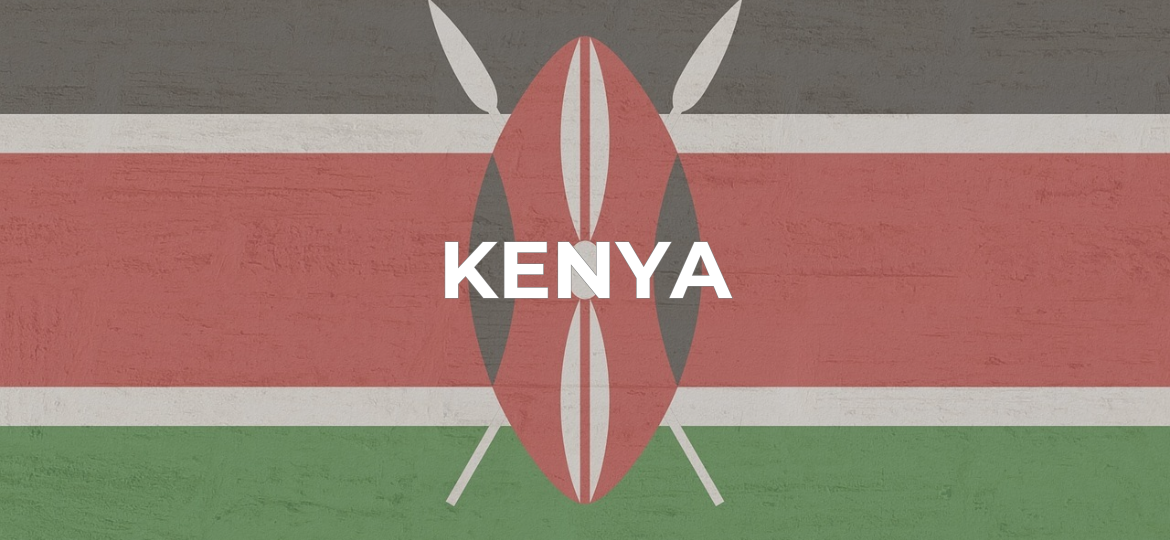
A Tanzanian human rights defender who found safety in Kenya was abducted from a taxi in broad daylight on 25 October. His whereabouts are still unknown. His case shows how exile does not always end the threat, and why transnational repression is one of the most worrying trends for defenders today.
On 25 October 2026, Twaha Mwaipaya was travelling by taxi with a friend to Kamulu, in Machakos County, Kenya, where he has lived legally in exile since 2025. According to testimonies, three vehicles intercepted them, until now his whereabouts remained unknown, those responsible had not been identified, and no investigation had been opened.
Twaha Mwaipaya is a Tanzanian human rights defender and a former youth leader of the opposition party CHADEMA (Party for Democracy and Progress). Through his public advocacy, he has called for democracy, justice, civic freedoms and accountability, and has denounced government repression, arbitrary detention and enforced disappearances. Because of the threats he was facing and constant surveillance, he moved to Kenya in 2025 and continued his advocacy from exile.
This abduction raises serious concerns about possible transnational repression, given the threats he received in Tanzania before leaving. Moreover, taking someone from a country where he lives legally breaches Kenya’s Constitution and Article 104 of the Treaty establishing the East African Community, which guarantees free movement and residence between member States, including Kenya and Tanzania.
This story relates to a trend ProtectDefenders.eu has seen emerged over the past years, transnational repression. Transnational repression is when a State, or those acting for it, targets people beyond its borders to silence them: through surveillance, intimidation, pressure on relatives, and in the most serious cases abduction. Defenders who have fled to find safety are often the ones targeted.
It is not an isolated case, acts of transnational repression in East Africa in 2025 and 2026 are raising, with established collaboration between Tanzania and Kenya. In October, a joint report by the Observatory, the Independent Medico-legal Unit (IMLU) and SOS-Torture Burundi showed how cross-border surveillance, intimidation and pressure follow defenders into exile. The issue is also on the agenda at the UN, where civil society asked States this month to support a General Assembly resolution on human rights defenders that expresses concern about repression carried out across borders.
A defender who flees to protect his life should be able to count on the safety of the place where he arrives.
