

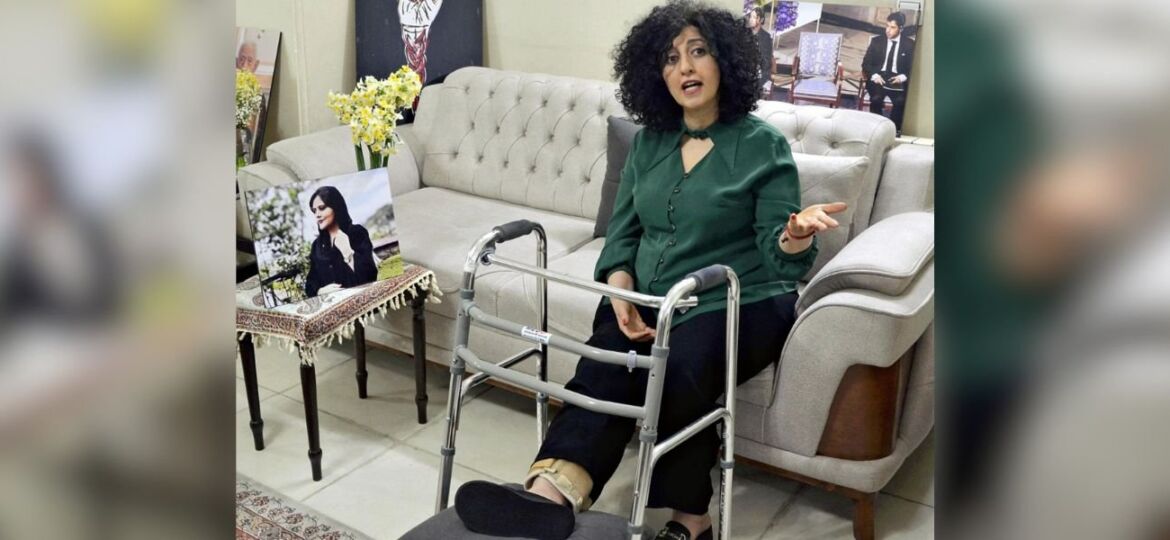
At a time when her name should be synonymous with international protection and solidarity, Narges Mohammadi is instead facing one of the most dangerous moments of her life, threatened, re-arrested, sentenced again, and now gravely ill in a prison that is dangerously close to an active war zone. Her situation demands urgent attention, and silence is not an option. Her case is not only emblematic of the dire and rapidly deteriorating situation faced by human rights defenders in Iran, but also reflects the broader and deeply alarming reality of defenders worldwide who are arbitrarily detained for their legitimate and peaceful work. It shows how detention is deliberately used not to enforce the law, but to silence, punish, and break those who speak out.
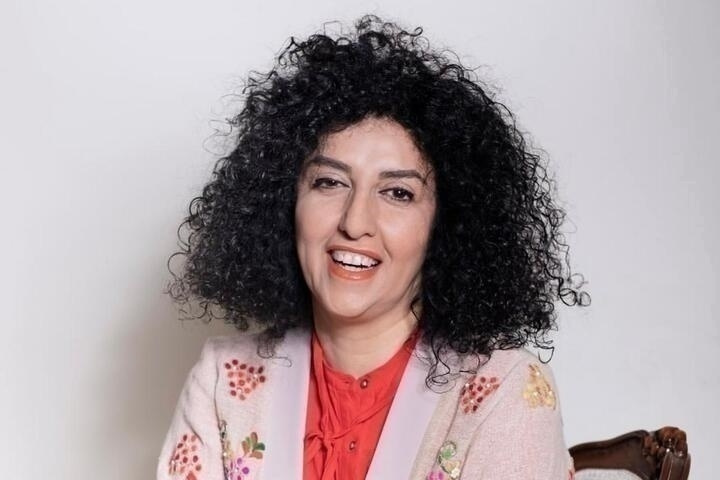
Narges Mohammadi is one of Iran’s most prominent human rights defenders, journalist, and author. She was awarded the 2022 Reporters Without Borders Prize for Courage and is the deputy director of the Defenders of Human Rights Centre (DHRC). She has spent more than two decades fighting for women’s rights, opposing the death penalty, and denouncing the use of torture and sexualised violence by the Iranian regime. In October 2023, while imprisoned in Tehran’s Evin prison, she was awarded the Nobel Peace Prize, recognised for her lifelong struggle against the oppression of women and her tireless advocacy for human rights and freedom. The judiciary has convicted her five times, arrested her 13 times, and sentenced her to a total of 31 years in prison and 154 lashes.
Her case has been closely monitored over the past two years, in fact Narges Mohammadi had been conditionally released from prison in December 2024 following surgery, however, between June and July 2025, she received a series of serious threats from agents affiliated with Iran’s Ministry of Intelligence. On three separate occasions, on 19, 21, and 25 June, she was warned through indirect channels that «rogue actors» were seeking her whereabouts with the intention to «eliminate» her. On 7 July, her lawyer received a direct call from the MOI, warning Narges against media interviews, advocacy, and human rights activities, and threatening a «different approach» with no more «Islamic compassion.» Friends and supporters who had offered her shelter were summoned by authorities and threatened with arrest.
On 12 December 2025, plainclothes security forces violently detained Narges at a memorial ceremony for human rights lawyer Khosrow Alikordi, who had been found dead in suspicious circumstances just days before, in Mashhad, alongside several other defenders.
In February, Narges was transferred to Branch 1 of the Mashhad Revolutionary Court. She was handed two new sentences: six years for «assembly and collusion against national security» and 18 months for «propaganda against the state,» along with two years of internal exile to the remote city of Khosf and a two-year travel ban. She is now facing more than 17 years of imprisonment in total since 2021.
Her situation is further aggravated by her now critical health condition. On 24 March 2026, she was found unconscious in her cell. Despite clear indications of a cardiac episode, authorities refused to transfer her to a hospital or grant her access to a specialist. During a legal visit in late March, she was described as pale, weak, and significantly underweight. Despite medical recommendations, she was transferred to Zanjan Prison, where she is held alongside prisoners convicted of violent crimes who have subjected her to harassment, abuse, and threats. Today, Narges Mohammadi’s situation carries an additional and deeply alarming dimension, as she is being held in Zanjan Prison, and on 31 March 2026, US and Israeli airstrikes hit south of Zanjan, only kilometres from where she is detained.
This convergence of personal risk, state repression, and proximity to armed conflict underscores the extreme vulnerability of detained human rights defenders. It also serves as a stark reminder that her case is not an isolated one, but part of a wider global pattern in which defenders deprived of their liberty are exposed to compounded and often life-threatening risks. In fact arbitrary detention remains one of the most common tools used by repressive authorities to silence those who peacefully defend human rights, thus intentionally fostering fear that discourages activists, defenders, and citizens from holding states accountable. HRDs are routinely subjected to trumped-up charges, unfair trials, and the misuse of anti-terrorism and national security laws. In 2024 alone, the SOS-Defenders platform documented 93 new cases of arbitrary detention in 11 pilot countries, while the Observatory for the Protection of Human Rights Defenders documented numerous cases of defenders serving sentences of ten years or more, from Nicaragua to Thailand, from Morocco to Belarus. The misuse of prolonged detention destroys lives, dismantles civil society, and sends a chilling message to all those who dare to speak out. Regional and international human rights mechanisms, together with the Observatory, have called on all states to take concrete measures to combat this trend. Narges Mohammadi’s case makes clear what is at stake: when arbitrary detention is normalised, no defender is safe.
