
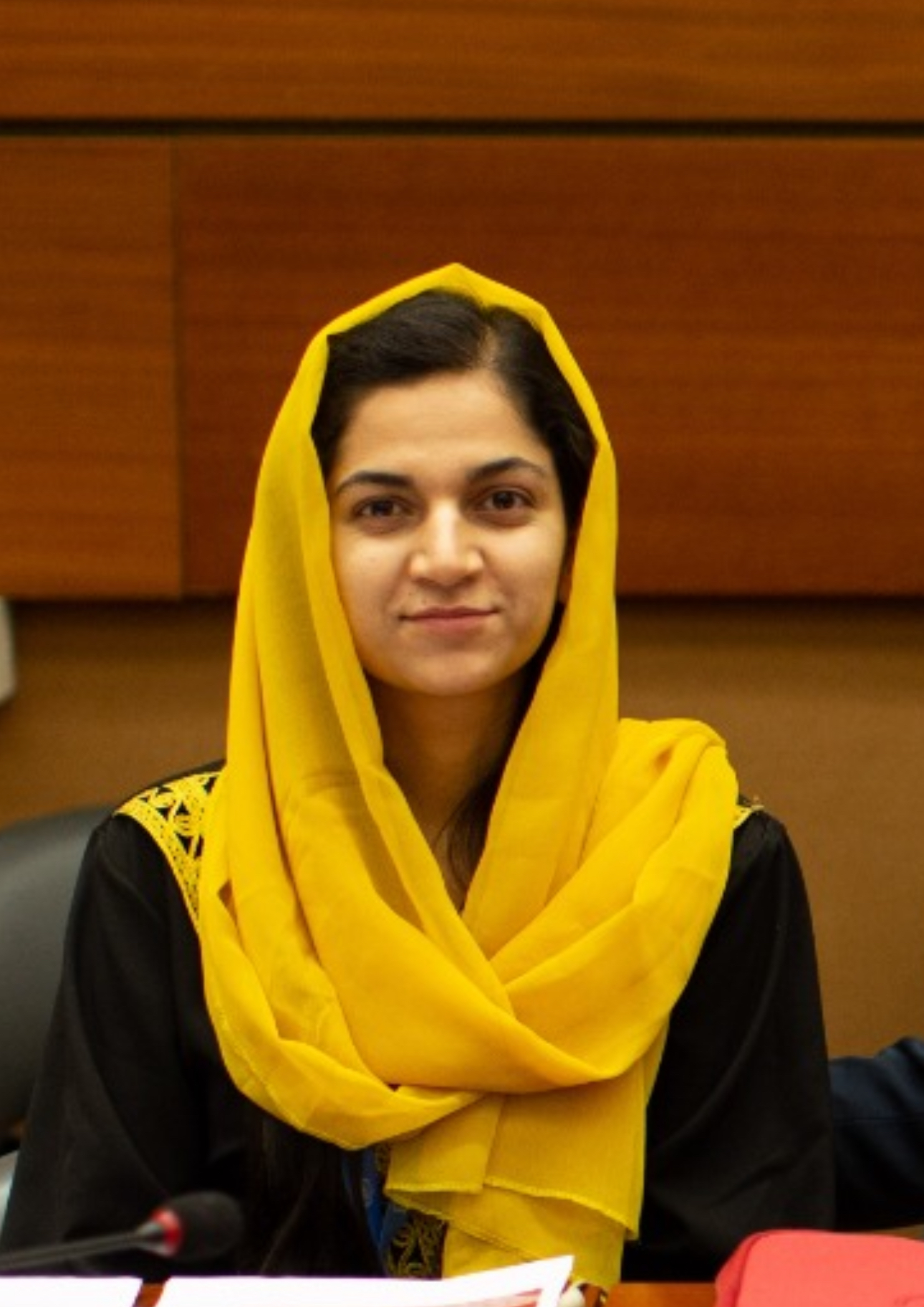
For years, our work as a human rights organisation has brought us into close dialogue with activists and defenders from Afghanistan, particularly women who continue to resist the systematic erasure of girls’ rights under Taliban rule. Education has always been central in the conversation, as a form of resistance and hope, as well as a fundamental right. On the occasion of the International Day of Education, we wanted to return to Afghanistan through the voices of those who continue to defend girls’ access to learning despite extraordinary risks. Introduced by activist Negina ( read our interview with Negina) to Parasto, an educator and human rights defender working with the SRAKAF Educational Association, which supports home-based education, literacy, and “second chance” programs for girls and women across the country.
In this interview, Parasto shares how these initiatives emerged in response to the Taliban’s ban on girls’ education, what it means to sustain learning in a context of constant danger, and how education continues to transform lives far beyond the classroom. Afghan girls and women are not passive victims, but active agents of resistance, resilience, and change.
From your perspective, what does access to education mean for Afghan girls today, especially in a context where formal schooling is systematically denied?
In Afghanistan today, people no longer speak about freedom or equality. Simply being able to read and write has become a major achievement, it is a basic right turned into a distant dream for each individual. For many families, securing education for a daughter is an impossible struggle yet an Afghan girl watches her brother leave for school under the Taliban while she stays behind is beyond a heartbreak to be described with words. For girls themselves, education means independence and freedom from dependence, a dependence that often leads to being forced onto a path they never wanted, including early and forced marriages. For girls in SRAKAF, education is not only about learning. It is a form of resistance, a way to feel treated as a human being and to have a place in the community. Coming every day to study, learning different skills, and escaping the surrounding darkness for a few hours gives them assurance that they are on the right path and that they are winning. Through this initiative, many are now able to earn an income. They are no longer seen at home as an extra mouth to feed. They gain dignity and are treated as equals. This is how education has given them freedom and independence.
How did the idea for SRAKAF’s education and “second chance” programs emerge, and what needs are you responding to on the ground?
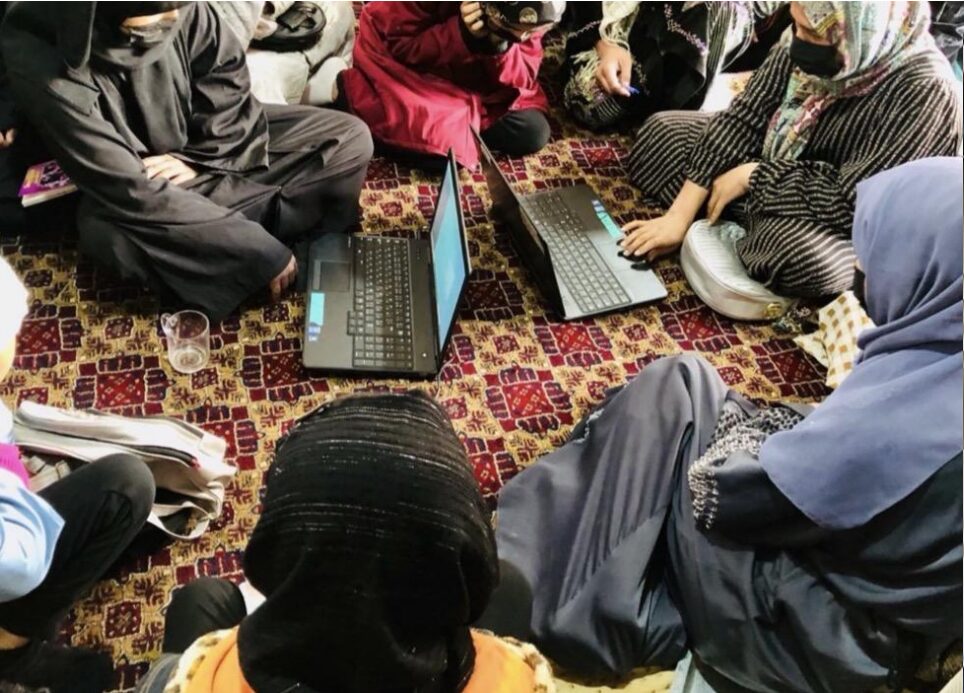
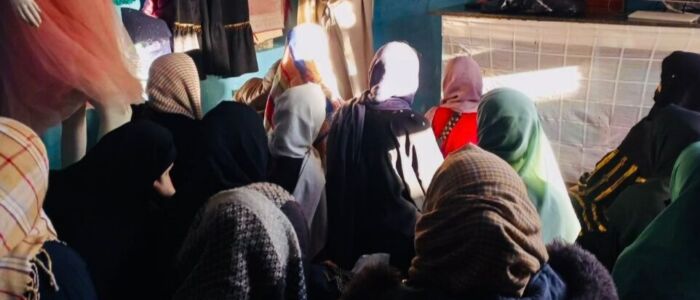
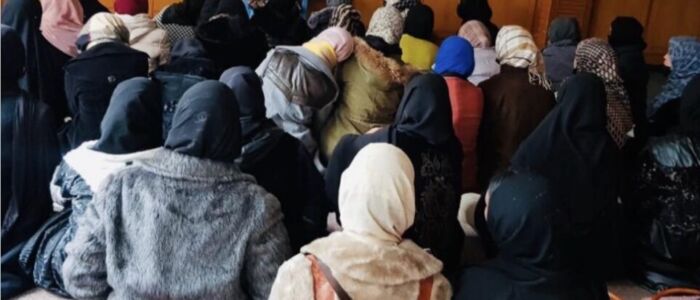
SRAKAF began when the Taliban announced the ban on girls’ schools. The initial idea was to start a small school so I could be busy and forget even briefly, that the country had fallen. In those dark days, with a broken heart and deep disappointment, I asked myself: why not follow the path of women in 1996 who created social groups secretly and stood up and actively resisted restrictions? If we cannot fight openly, we can educate, education itself is resistance. The next day I started working with a teacher who already had a home school for her own students from the school she was teaching at and she did not want to abandon her students after the ban. I met her in September 2021. We went door to door, gathered more students, found a classroom, and the next day we saw mothers and grandmothers attending classes as well. (We never say no to anyone who needs education) so we have created different spaces in school specially for them where I asked them about their motivation. Many women told me they wanted to be educated just enough to read signs or dial a number if an attack happened, only to reach their family members. Hearing this made me realize that even in my country, education has always been a way to escape war. Indeed! Education is the only way. That is how I created a class called “Second Chance” for those (once) young girls who were deprived of education by the Taliban until further notice and who had been forced, physically or emotionally, into early marriages in 1996. have been teaching for few weeks there and the next thing was receiving requests from teachers who were seeking help to know how to teach their own students and we provided them with help and support, the next thing I knew was we had 8 schools and I no longer had time to teach so I started to only manage all schools and be more innovative. Today, with the determination of the teachers and the girls we have 35 school and we are still growing.
In a context of systemic rights violations and constant risk, how do you manage to continue this work in such a hostile and dangerous environment? Do you have examples?
Afghan girls and women I have met since 2021, from ages 11 to 55, are among the strongest and most determined people I know. They are always looking for opportunities to learn and always find ways to continue. Afghan girls and women I have met since 2021, from ages 11 to 55, are among the strongest and most determined people I know. They are always looking for opportunities to learn and always find ways to continue. Their determination is the main reason we are able to go on. Even when we are forced to take breaks due to security risks, they come up with ideas and keep going. Not only that, our schools are located within communities across Afghanistan, and families are aware of them. In many cases, they actively help us and protect the work. We also understand how the Taliban think from the experiences that our families shared with us, and we plan beyond their actions. This situation in Afghanistan is not funny, and it is not a joke. Yet the silence of people who could speak up, bring change, or help is brutal and, in a painful way, ironic. The strongest people who could do something to at least create an education system are watching determined girls and women suffer without acting, while boys are being brainwashed. SRAKAF is not a project or a personal vision. It is people taking action. It is not something that can be destroyed or taken away; rather this movement will continue for many years, no matter how long the Taliban or others try to stop us or remain in power. In the end, determination always wins. That determination is our courage, and that is how we manage to continue.
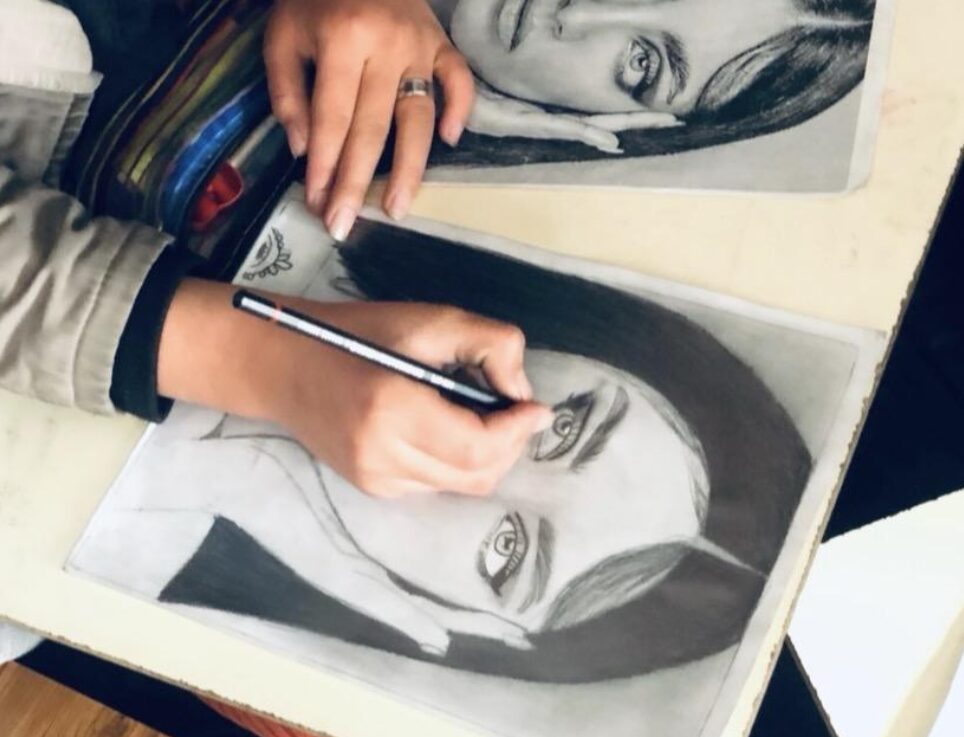 What impact have you observed from home-based education and literacy programs beyond academic learning?
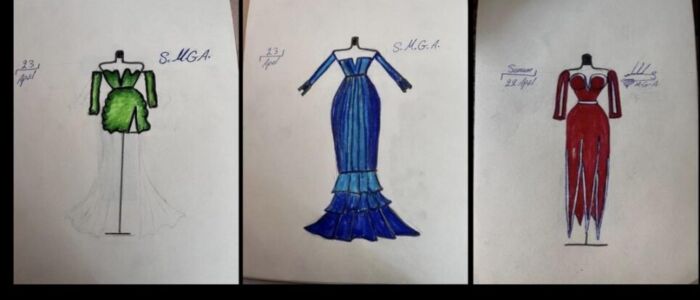
I have witnessed deeply depressed teenagers regain purpose. We gave them diaries to help release their pain through writing. We provided training sessions and therapy for nearly a year. Slowly, we saw enthusiasm return, creativity, faster problem-solving, and the confidence to overcome challenges. We saw our students in international universities, online programs, making their business platforms… that was beyond a small impact personally for me. We gave them opportunities to show their skills, provided materials to create their own products, and supported them in selling those products so they could become independent and buy time for themselves. Like many Afghans after 2021, I have struggled with thoughts of suicide(not extreme) too but every day, I postponed those thoughts because I was responsible for delivering something to the girls. They gave me a reason to keep going. From them, I learned resilience, and the fact that life is worth trying. Despite the restrictions, where do you see resilience or hope in girls’ education in Afghanistan today? Currently all I can say is that I see hope in the muddy home schools where girls come for a few hours just to feel alive and part of their own community in their own homeland. I saw hope in the eyes of a 13 years old brave creative girl who is the reason behind the expansion of schools and my determination for helping more girls… I see the hope in teachers who stand on the frontlines and never miss a day. I see it in human rights defenders who have faced threats, poverty, homelessness, and the loss of loved ones, betrayal and so many challenges that were impossible to handle yet continue to resist. And this itself is letting me see the future very clearly, one day, we will overcome these days. At the end we may be broken-hearted, but we will stand tall without regrets that we left our girls alone while we could help them and stand with them.