

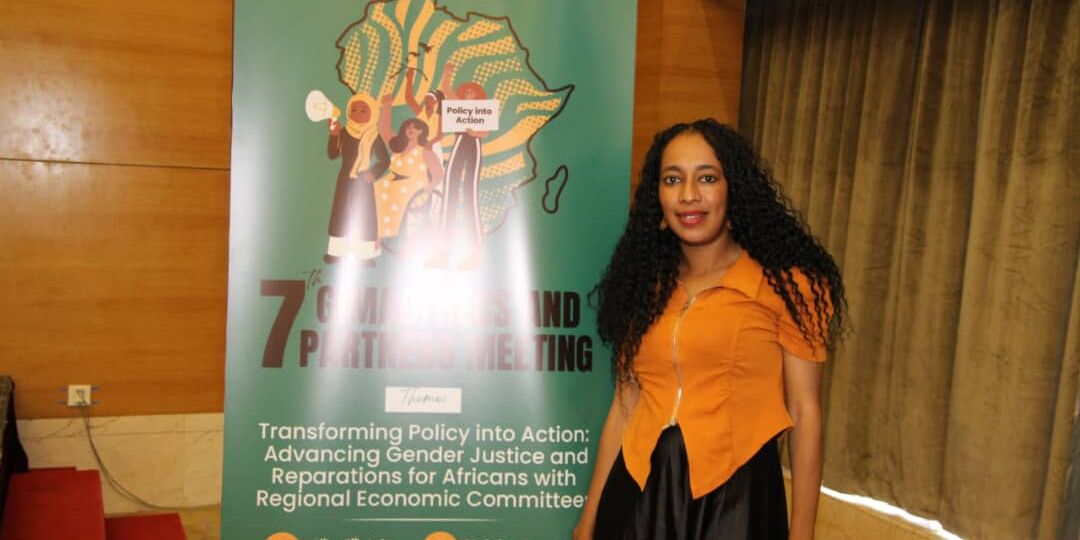
As Sudan enters another year of devastating conflict, human rights defenders, and particularly women, are facing unprecedented levels of risk. Amid mass displacement, targeted violence, and the collapse of essential services, Women Human Rights Defenders (WHRDs) continue to protect communities, document abuses, and demand justice, despite operating in one of the most dangerous environments in the world.
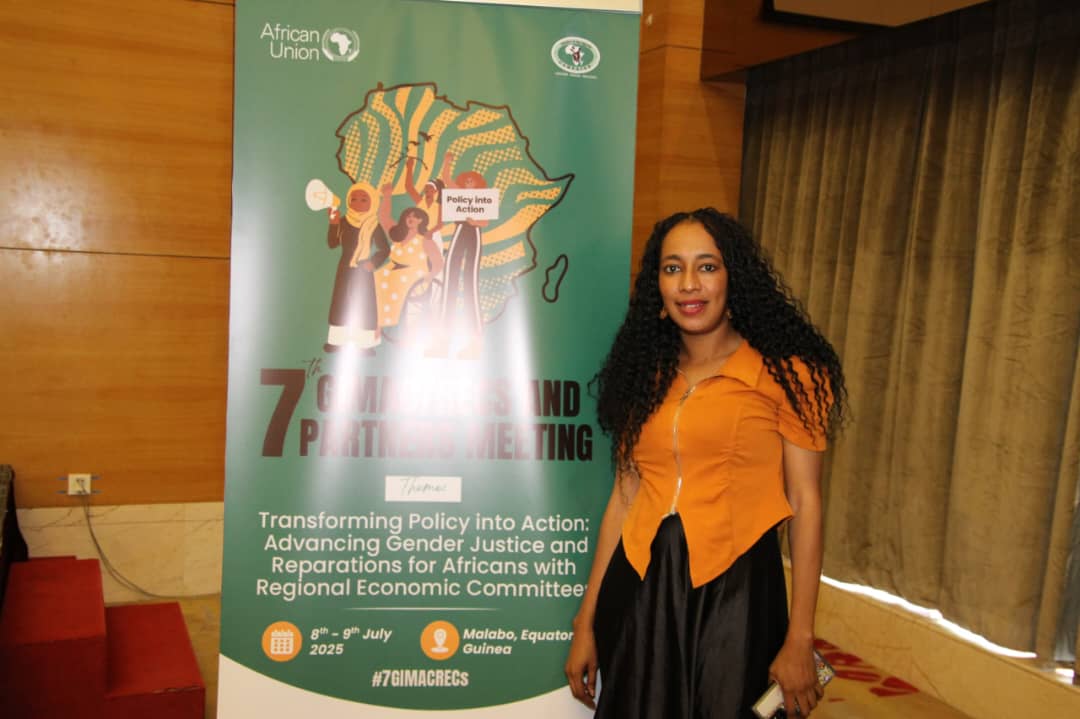
Among them we had the opportunity to speak with Mariam Hamid Ahmed, the Executive Director of Kayan for Women Empowerment, a Sudanese organisation working to advance the rights, safety, and leadership of women and girls. Her experience offers a powerful insight into the realities facing WHRDs today — and the urgent need for sustained international support.
Women leading in the darkest moments
 Women leading in the darkest moments
Kayan for Women Empowerment works at the intersection of women’s rights, peacebuilding, and community resilience. Its mission is clear: to ensure that Sudanese women and girls, especially those in conflict-affected and marginalised areas, have access to protection, opportunities, and a voice in shaping their future.
Through documenting violations, supporting survivors, strengthening women’s leadership, and advocating for gender equality, the organisation serves as both a shield and a platform for women whose voices are too often silenced.
“Sudanese women are carrying the double burden of resisting repression and challenging deeply rooted patriarchal norms,” she explains. “Threats against women defenders are not only meant to stop their work, they aim to shame them, isolate them, or endanger their families.”
Despite this, women remain at the centre of local peace efforts, social protection networks, and grassroots organising. Their resilience persists even as the threats grow.
Life under conflict: a daily struggle to continue the work
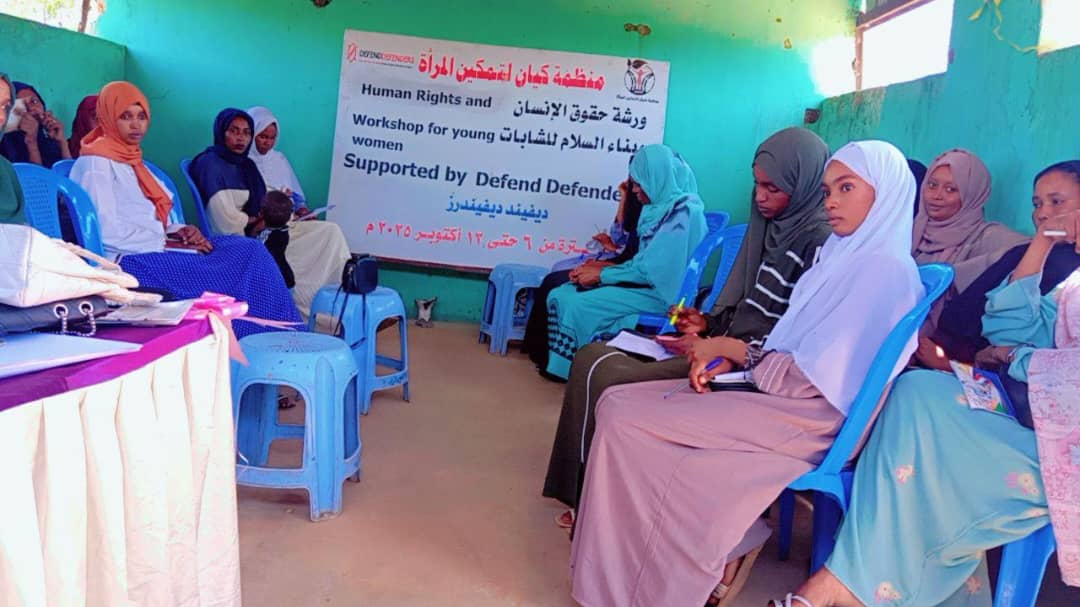
The escalation of violence has completely reshaped how defenders operate. Restricted access, disrupted communications, and repeated displacement have made community engagement increasingly dangerous. Meanwhile, as Mariam told us, the needs of women and girls have intensified: widespread food insecurity, rising sexual violence, and the disintegration of social support systems all contribute to a rapidly worsening crisis.
“Every aspect of our work has become an emergency response,” she says. “We relocate our programmes constantly, we navigate danger to reach people, and sometimes we provide support remotely just to stay safe. Yet women’s voices are more critical than ever.”
Strength through solidarity and purpose
Asked what keeps her going despite the risks, she answers without hesitation:
“It’s the women themselves, their courage, their dignity, their determination to keep their families and communities alive. They give me the strength to continue.”
Networks of women defenders inside and outside Sudan provide crucial emotional and practical support, reminding her that the struggle is shared and that no defender should stand alone.
What WHRDs in Sudan need now
 What WHRDs in Sudan need now
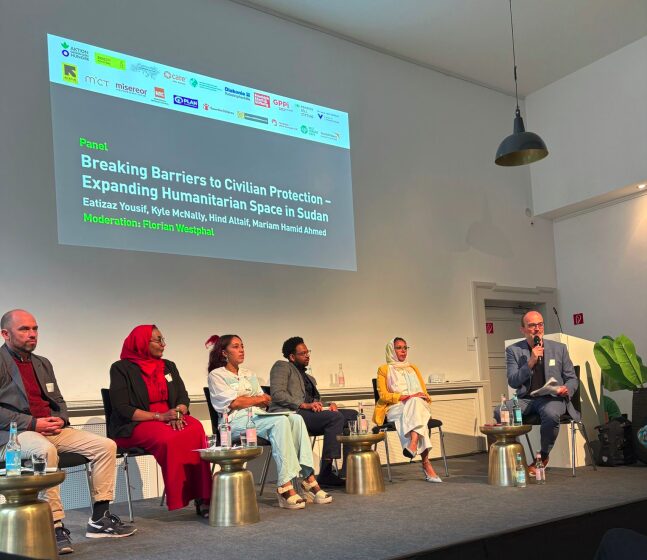
Women human rights defenders urgently require protection, recognition, and sustained support. This includes:
• Emergency resources for relocation, secure communication, and immediate safety needs.
• Long-term funding for women-led organisations working in extremely fragile contexts.
• International advocacy that centres Sudanese women’s voices.
• Support for documentation, ensuring evidence of violations is preserved and acted upon.
• Mental health and psychosocial care for defenders facing trauma, burnout, and isolation.
• Protection mechanisms that are gender-responsive and inclusive of informal or grassroots activists.
In Sudan, women human rights defenders continue their work under extraordinarily difficult conditions. Their commitment deserves meaningful support, recognition, and sustained international attention.
