
Press freedom is at its lowest point since 2012. But a landmark European Parliament resolution, 25 years in the making, shows what sustained advocacy can achieve.
ProtectDefenders.eu consortium member Reporter Without Borders just released its 2026 World Press Freedom Index, highilighting an alarming deterioration of the situation globally. Across the world, the state of press freedom is increasingly fragile and uneven. In Europe and Central Asia, the adoption of the European Media Freedom Act marks progress, yet several EU countries are still failing to comply fully. Further east, authoritarian regimes such as Belarus and Turkmenistan maintain some of the most restrictive media environments globally, while Ukraine has shown modest improvement despite ongoing war.
In the Americas, political leaders are contributing to a climate where journalism is more frequently criminalised and exposed to violence. The United States has slipped in rankings amid growing political pressure, Argentina is facing a rise in lawsuits against journalists, and El Salvador has intensified its crackdown, forcing many reporters into exile. Also the Asia-Pacific region remains largely classified as “difficult” or “very serious” for press freedom and China continues to hold the highest number of detained journalists worldwide. In Sub-Saharan Africa, press freedom is in a deeply deteriorated state. Eritrea remains the lowest-ranked country, holding journalists in prolonged detention without trial.
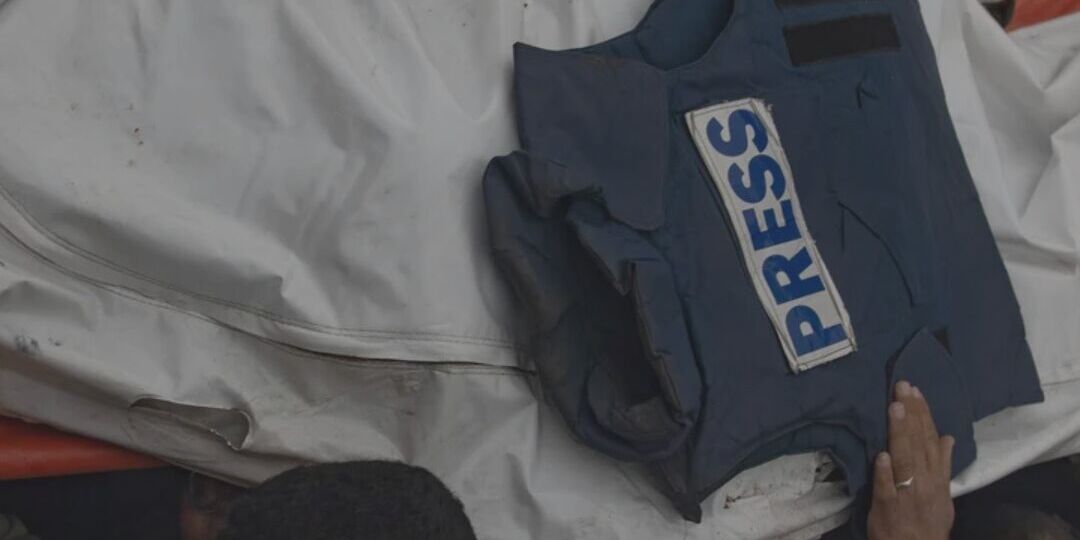
The Middle East and North Africa is currently the most dangerous region for journalists. Since October 2023, hundreds of Palestinian journalists have been killed in the war in Gaza, making the situation particularly catastrophic. While most countries in the region remain in a “very serious” or “difficult” state, Syria has seen a notable, though still fragile, improvement following recent political changes.Against this concerning backdrop, ProtectDefenders.eu wishes to highlight a positive development made possible by the joint advocacy of civil society organisations, including members of the Consortium. The European Parliament adopted an emergency resolution on human rights in Morocco, its first in 25 years. RSF’s advocacy work, within the ProtectDefenders.eu framework, was essential in securing the resolution: letters to MEPs, parliamentary meetings, coalition-building across political groups, and a coordinated push with partners
Though non-binding, the resolution is politically significant: it calls for the release of arbitrarily detained journalists, including Omar Radi, for whom RSF has advocated since 2020, and condemns Morocco’s use of Pegasus spyware against human rights defenders and journalists. Three journalists remain imprisoned in Morocco today.
The resolution is a milestone, not a finish line. As the world marks Press Freedom Day, ProtectDefenders.eu reiterates its support to journalists around the world, working tirelessly to ensure access to information. When it comes to supporting defenders and journalists, accountability does not happen by itself. It is built, letter by letter, coalition by coalition, year after year.