

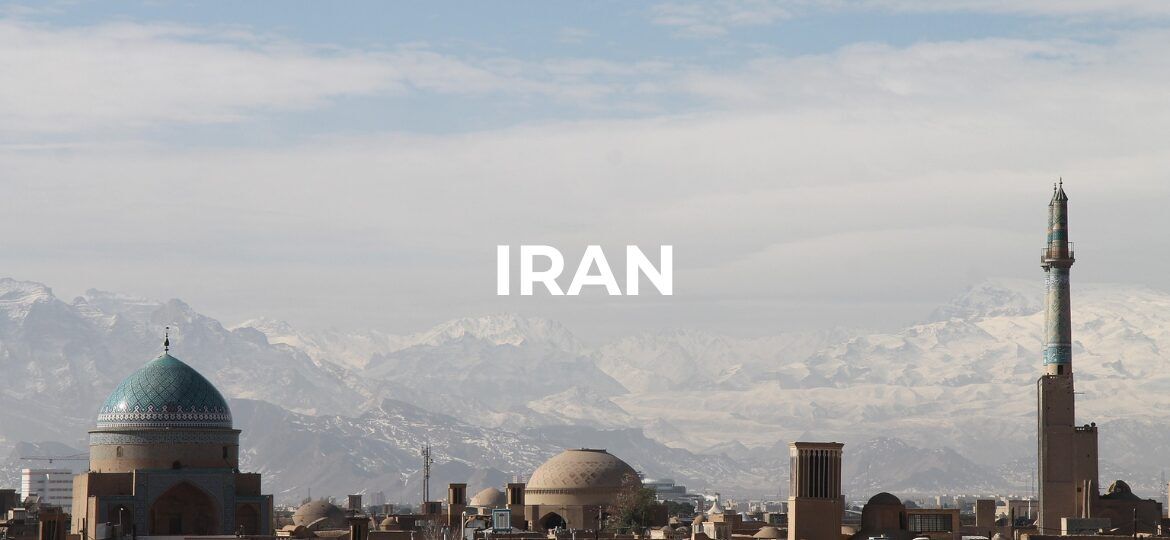
Iran is currently facing one of the most severe waves of repression in its recent history. As protests and expressions of dissent have spread across the country, authorities have responded with extreme violence, mass arrests, and an total shutdown of communications. In this context, we raise urgent alarm over the situation on the ground and calls for immediate international action.
Protests Met with Lethal Force and Total Information Blackout
The protests began on 28 December at Tehran’s Grand Bazar, sparked by public anger over the collapse of the national currency. The localized demonstrations rapidly expanded in size and scope. And in response, Iranian authorities intensified their actions, that culminated on 8 January with a near-total internet shutdown that has now lasted more than 340 hours.
Since the blackout began, access to independent reporting, journalism, and life-saving information has been almost entirely cut off. This communications vacuum has created conditions in which grave human rights violations can be carried out with impunity. Prior to the shutdown, human rights defenders and dissidents reported receiving threats linked to their online support for the protests.
Despite the difficulties in verification caused by the blackout, human rights organisations and international media have confirmed the killing of over 4902 protesters as of 21 January including children under the age of 18. Thousands more have been injured, many severely, and ,ore than 20,000 people are confirmed to have been arrested. With the majority of killings occurring since 8 January and verification efforts severely obstructed, current estimates suggest the death toll may exceed 20,000.
Reports from within Iran include shocking images of dead protesters, doctors’ accounts of overflowing hospitals, and evidence and valid reports confirming the of the use of live ammunition and military-grade weapons against demonstrators including chemical weapons. Meanwhile, families across the country remain desperate for information about missing loved ones.
Acute Risks for Detainees and Human Rights Defenders
Both newly arrested individuals and long-standing detainees face acute and often overlooked risks. Iran’s past patterns of repression show that periods of widespread unrest are frequently accompanied by severe abuses inside detention facilities. Human rights defenders, journalists, writers, artists, and activists are particularly vulnerable to extrajudicial killings, enforced disappearances, torture, and other forms of ill-treatment.The current communications blackout has further exacerbated these dangers by preventing families, lawyers, and international bodies from obtaining information about detainees’ whereabouts, legal status, and health conditions.
Among those recently detained are several prominent figures from Iran’s civil society, including Nobel Peace Prize Laureate Narges Mohammadi, as well as Sepideh Gholian, Alieh Motalebzadeh, Javad Alikordi, Hasti Amiri, Pouran Nazemi, and other human rights defenders and journalists. They were violently arrested following a memorial ceremony for lawyer Khosrow Alikordi on 12 December in Mashhad.
Many of these detainees have been held in solitary confinement for over a month, with their whereabouts and conditions largely unknown. Narges Mohammadi has been denied access to legal counsel and contact with her family, aside from a brief phone call on 14 December in which she reported severe ill-treatment, including beatings to her head and neck with batons, as well as threats of further violence. Following her violent arrest and arbitrary detention, she was hospitalized for three days.
Due to the ongoing blackout, families and lawyers have been unable to confirm whether the detainees’ initial 30-day arbitrary detention orders have been extended or to obtain any reliable information about their legal or physical condition.
In light of these developments, the international community must act decisively to protect detainees, particularly human rights defenders, journalists, and activists—and demand immediate access to legal counsel, medical care, and contact with families. Without swift and coordinated action, the risk of further irreversible harm remains alarmingly high.
